Balā · बला
structural tissue tonic · Vayasthapana · rasayana.
Kikkisa · किक्किस · വയറ്റിലെ വരകൾ
Also known as: striae gravidarum · postpartum stretch marks · sthana-utpadana · belly marks
The fine red-to-pearl lines that appear on the belly, thighs, breasts and hips during pregnancy or rapid weight change — described in Ayurveda as Kikkisa. Treated with daily Snehana (medicated oil massage) during pregnancy, and with Nalpamaradi or Eladi-keram afterward.
Around the sixth or seventh month of pregnancy, the first faint pink lines appear on the lower belly. By the eighth month, they have become more defined — sometimes red, sometimes deep purple, depending on skin tone. Most women see them again on the breasts as milk comes in, and sometimes on the thighs and hips. Classical Ayurveda calls them Kikkisa (किक्किस) — and treats them not as a flaw, but as a recognised, manageable part of garbhini-paricharya (the regimen of the pregnant woman).
In Charaka Sharirasthana (8.13), Kikkisa is mentioned matter-of-factly alongside the other discomforts of late pregnancy. The classical approach is striking in its simplicity: daily oil massage from the fourth month onward, applied gently with upward strokes, to preserve the elasticity of the medas (subcutaneous fat) and mamsa (muscle). The texts are emphatic that prevention is the goal — once formed, marks fade but rarely vanish completely.
From the 16th week of pregnancy, Bala Taila or Dhanwantharam Tailam is recommended for daily abhyanga (oil massage) — warmed gently, applied to the belly, thighs, breasts and lower back, left for 20–30 minutes, then washed off with warm water. Bala (Sida cordifolia) is the classical balya (strength-promoting) herb, and Dhanwantharam is the classical preparation named after the divine physician — a Vata-pacifying, nourishing oil safe for pregnancy.
The key point classical texts emphasise: massage gently. Stretch marks form not from lack of oil, but from rapid stretching faster than the dermis can adapt. Oil massage maintains pliability, but cannot prevent every mark from forming when growth is rapid (multiple pregnancies, large babies, family history of fragile collagen).
After delivery, the focus shifts from prevention to fading. Nalpamaradi Taila — the four sacred Ficus oil (Vata, Ashvattha, Udumbara, Plaksha) — is the classical Kerala preparation for skin discoloration and stretch marks. Applied daily for 90 days, it gradually fades the colour of the marks (most visible improvement) and improves the texture (slower, more subtle).
For nursing mothers, Eladi Anulepa (cardamom-saffron-cinnamon lepa) is gentle and safe — it does not affect breastfeeding and is pleasantly aromatic. Maithra’s Eladi Moisturizing Cream and Belly Bloom Stretchmark Pack are home-care formulations in this lineage.
For mothers within their Soothika (postpartum) period, AyurDarshan Hospital runs supervised packages of 14, 21, 28, 35, and 42 days — combining daily abhyanga, ushna-jala snana (warm-water bath), dietary protocol, breast care, and stretch-mark applications. This is the traditional Kerala Soothika-paricharya, adapted to modern hospital standards. Read more about AyurDarshan →
Stretch marks rarely vanish entirely. The classical texts knew this — prevention is the goal, fading is the achievement. Daily application for 3–6 months, of either Nalpamaradi or a Maithra Belly Bloom formulation, can take a mark from a vivid red to a barely-visible pearl. That is what success looks like.
structural tissue tonic · Vayasthapana · rasayana.
varnya — complexion-supreme · anti-Vyanga · anti-pigment.
astringent · anti-acne · complexion-improving.
varnya (complexion-promoting) · refrigerant · anti-Pitta.
aromatic · anti-pimple · anti-itch.
post-natal recovery; elderly skincare.
post-natal recovery; fertility support.
uneven skin tone; tanning.
body fragrance; fatigue removal.
If you want the classical formulation ready-to-use, made in small batches at our Thiruvallur facility:
 Bestseller
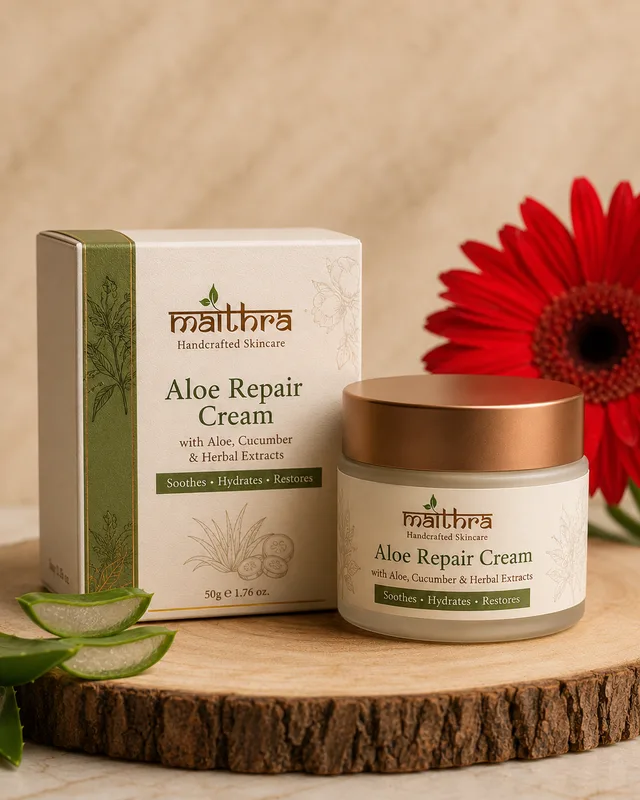
 Daily cream version of the classical Nalpamaradi tan-fading protocol.
 Bestseller
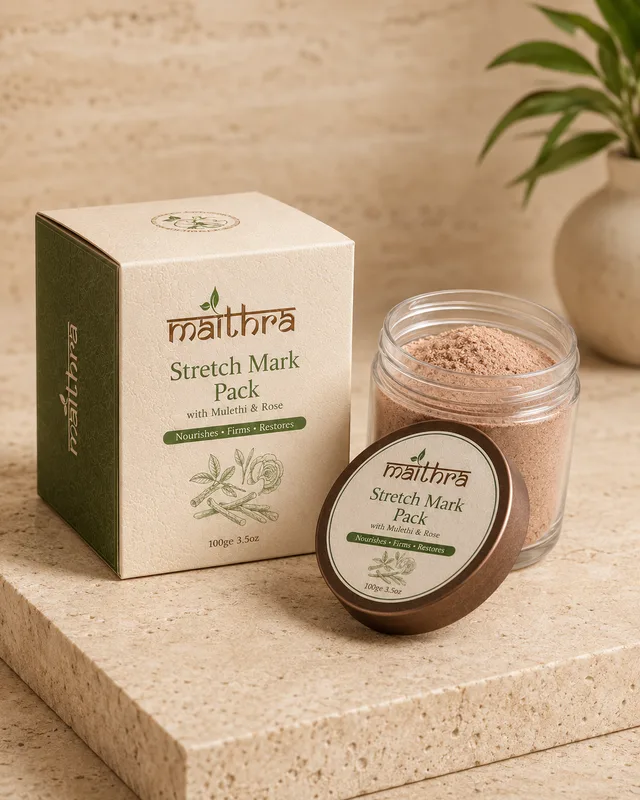
 Kerala's classical Soothika stretch-mark protocol — Mulethi, Manjishtha, Rose, with the Nalpamaradi …
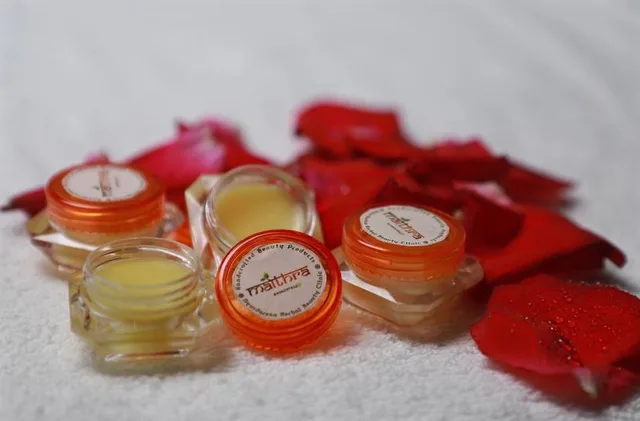
Unlock the beauty within with our Ayurvedic Eladi lip balm.
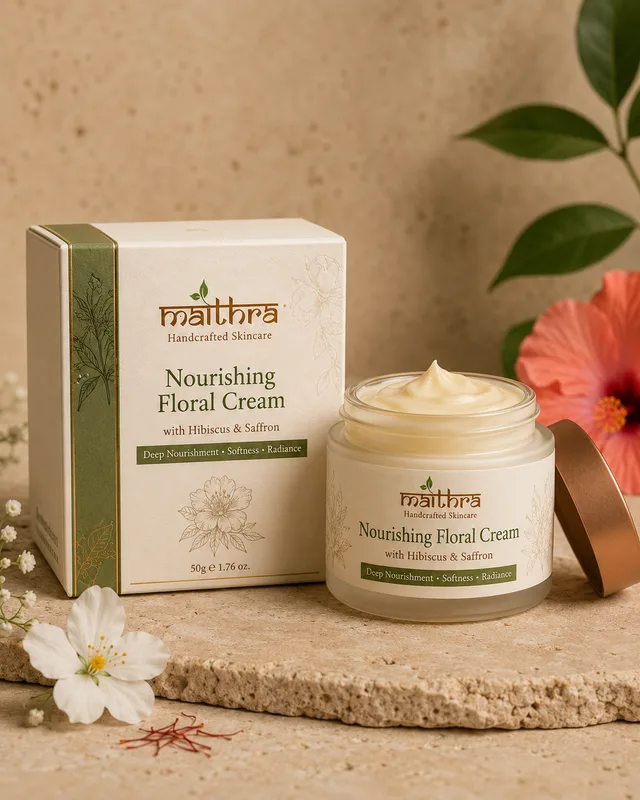
Hydrate and moisturize normal skin with our Eladi moisturising lotion.
Hydrate your dry skin and reduce pigmentation with our Eladi moisturising cream.
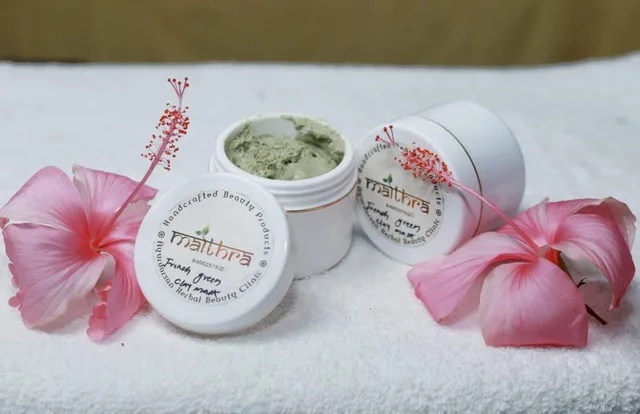
Purify and revitalize your oily skin with our french green clay face mask.
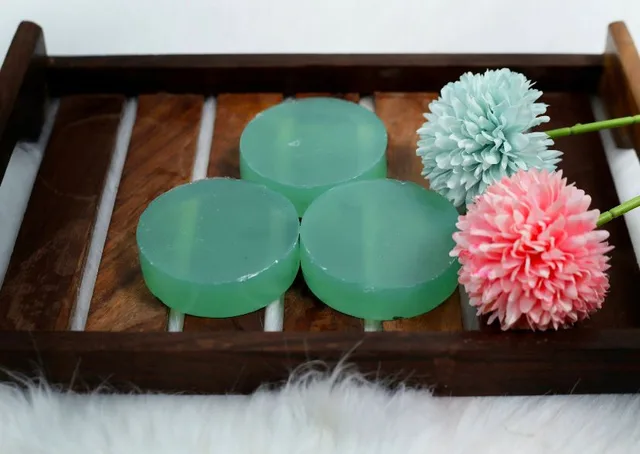
Invigorate your senses with our green tea soap.
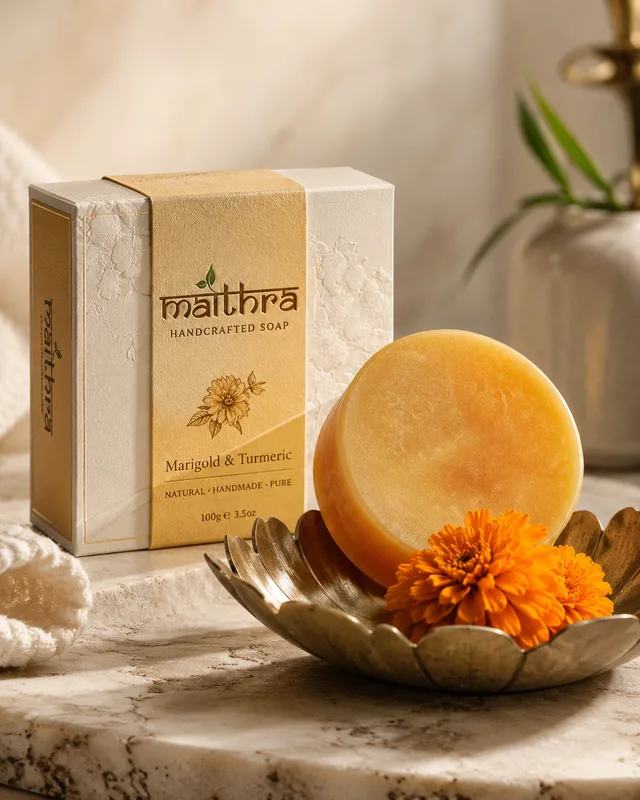
Brighter, glowing skin with our kesar chandan soap.
If you prefer to make the classical preparation yourself, source pure single-drug powders: