Candana · चन्दन
varnya (complexion-promoting) · refrigerant · anti-Pitta.
Atapika · आतपिक · വെയിലെരി
Also known as: sun tan · sun damage · solar lentigo · uneven skin tone · sun spots
The darkening of the skin from sun exposure — described in Ayurveda as the heating effect of *atapa* (sunlight) on the *bhrajaka pitta* (the skin's pigment-bearing fire). Treated with cooling lepas (Nalpamaradi, Chandanadi, Multani-Lodhra), avoidance of midday sun, and consistent SPF protection.
Kerala is hot. The classical Ashtanga Hridaya was written for a climate not unlike modern Thiruvallur — and its seasonal regimen (ritucharya) for grishma (summer) reads almost as a heat-protection guide. Sushruta describes the skin under prolonged atapa (sunlight) as becoming krishna-varna (darkened) and ruksha (rough) — and prescribes both internal cooling (sweet, cold foods; milk and ghee) and external cooling lepas.
The classical understanding is precise: the bhrajaka pitta — the pigment-bearing fire of the skin — flares under sun exposure. Melanin is, in a real sense, the Pitta of the skin: it is fire used as protection. Modern dermatology agrees, in its own vocabulary.
Three lepas appear repeatedly in the classical texts for sun-darkened skin:
In Kerala specifically, Nalpamaradi Taila — the four sacred Ficus oil — is the most-prescribed therapy for established tanning. Applied 30 minutes before bath, washed off with warm water. The tannins from the four Ficus species (Banyan, Peepal, Cluster Fig, Indian Fig) astringe and brighten with consistent use.
We make several formulations in this lineage. If you are unsure where to begin:
The classical texts could not have known about UV — and the most important intervention we can add to a traditional Indian protocol is daily SPF. The classical lepas calm and brighten, but they do not block UV. Apply SPF 30+ daily, especially in tropical climates, and the lepas will work more effectively because new damage is prevented while old damage fades.
If a pigmented patch is changing rapidly, has irregular borders, or appears suddenly — please see a dermatologist before applying anything. Early-stage melanoma can mimic a stubborn tan. We are not saying this to scare you; we are saying it because Sushruta would have said it too.
varnya (complexion-promoting) · refrigerant · anti-Pitta.
varnya · anti-pigmentation · blood-purifier (rakta-shodhana).
astringent · anti-acne · complexion-improving.
varnya · anti-tyrosinase / brightening · anti-inflammatory.
varnya — complexion-supreme · anti-Vyanga · anti-pigment.
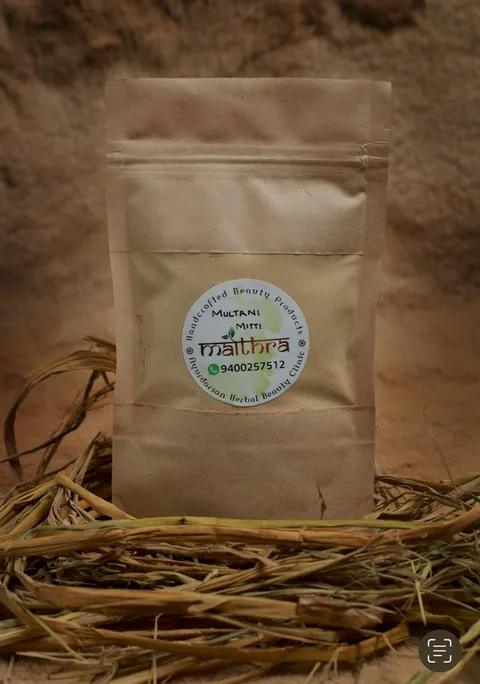
face pack substrate · oil-absorption · cooling.
summer abhyanga; Pitta-prakriti.
uneven skin tone; tanning.
oily skin; enlarged pores.
daily soap replacement; skin brightening.
If you want the classical formulation ready-to-use, made in small batches at our Thiruvallur facility:
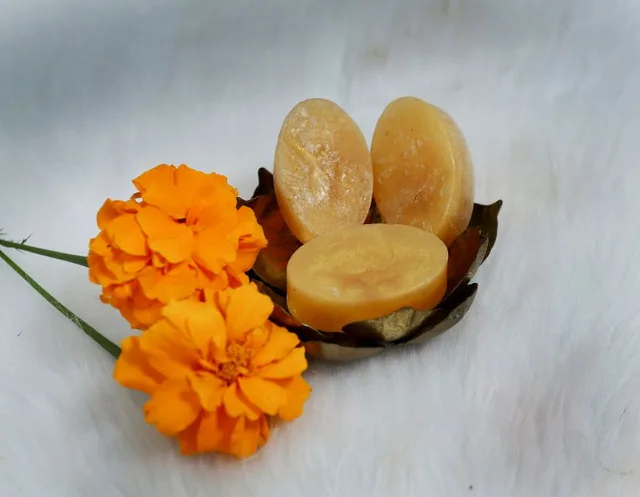
24k gold facial bomb.
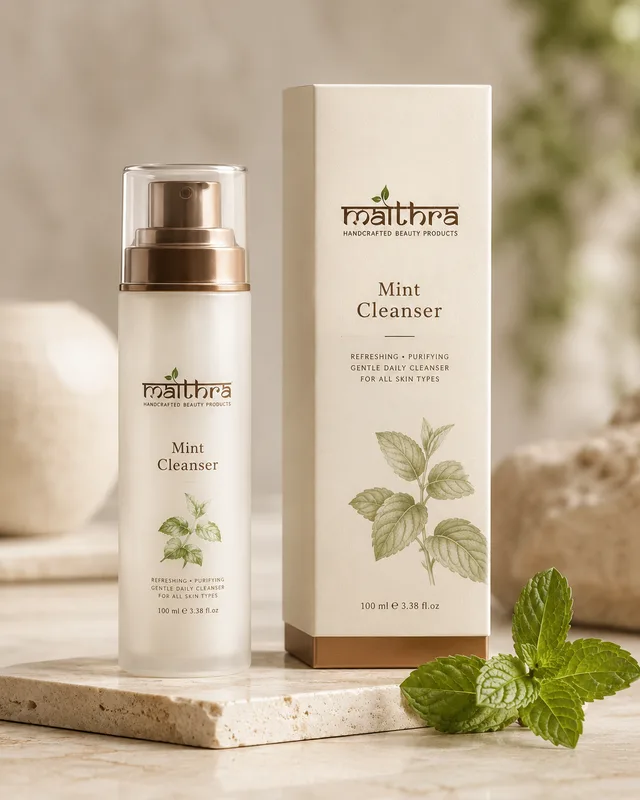
Recommended for acne-prone skin types, our acne clear face wash helps combat breakouts and keep your…
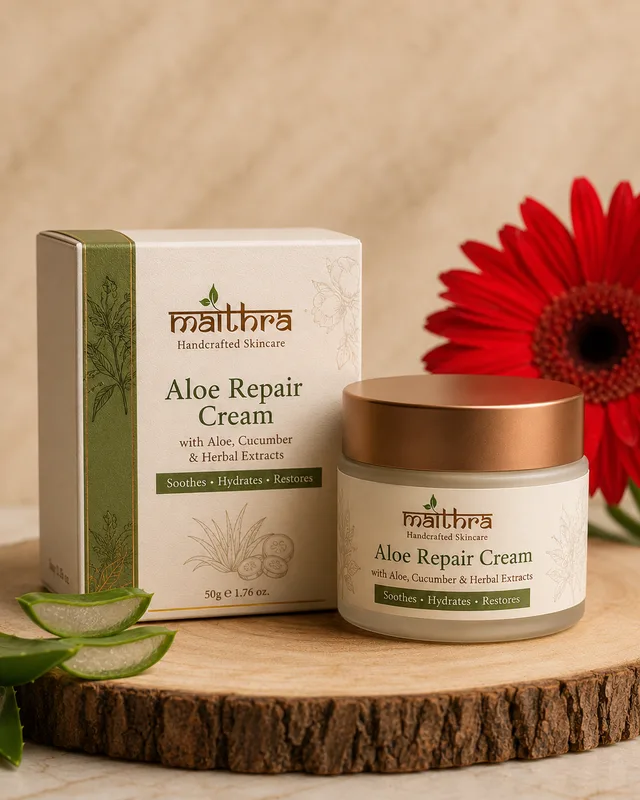 Bestseller
 Daily cream version of the classical Nalpamaradi tan-fading protocol.
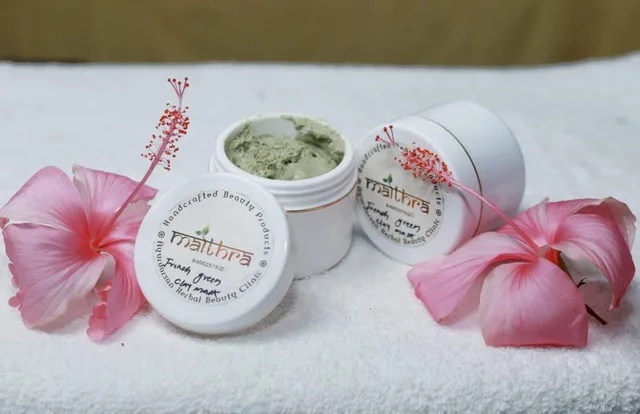
Purify and revitalize your oily skin with our french green clay face mask.
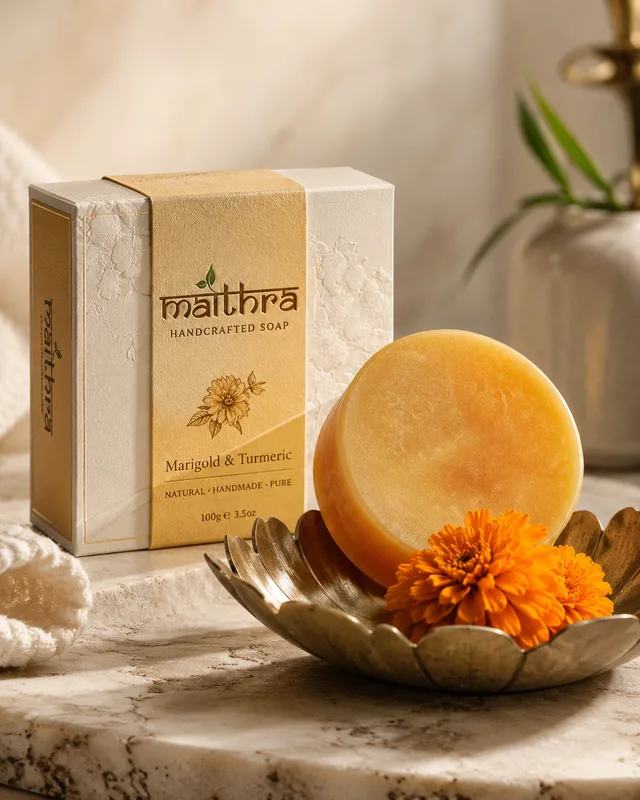
Brighter, glowing skin with our kesar chandan soap.
Transformative power of our Ayurvedic Manjistha lip scrub.
Moisturizing benefits of our Ayurvedic Manjistha lip balm.
Pamper yourself with our Manjistha sandalwood soap.
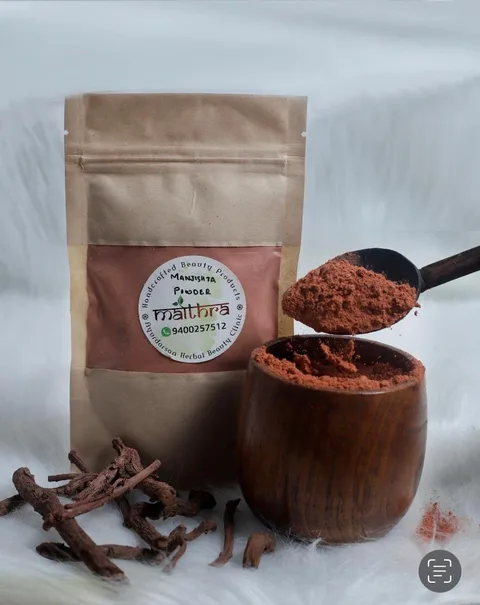
If you prefer to make the classical preparation yourself, source pure single-drug powders:
 Bestseller